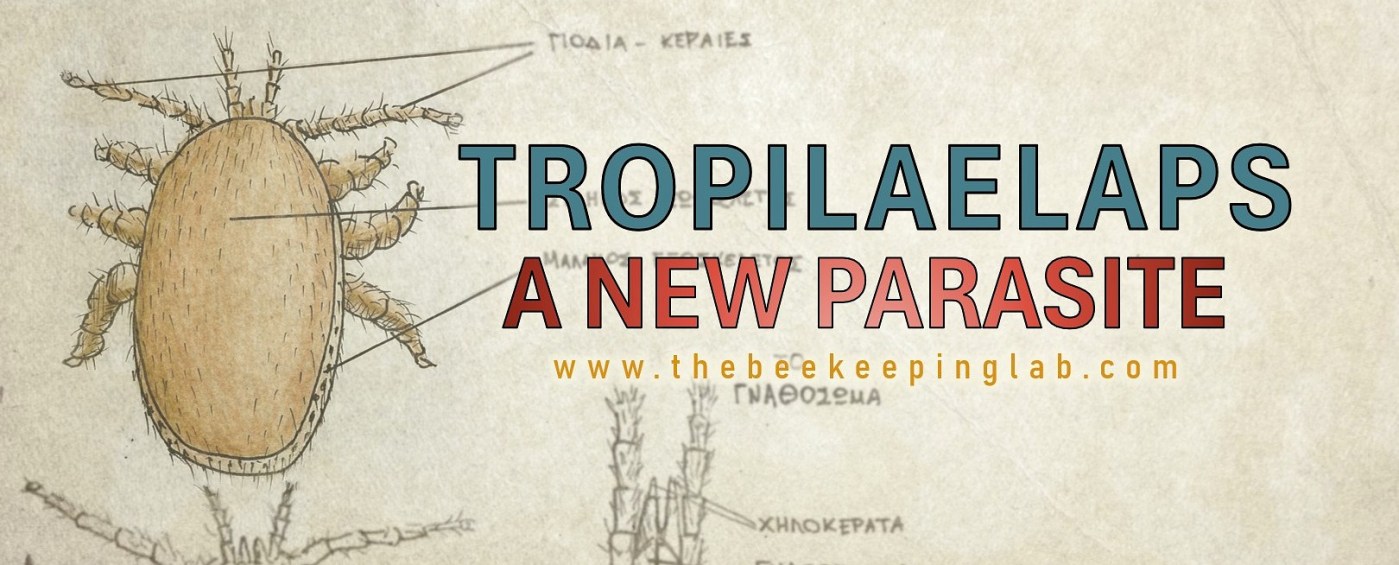
Tropilaelaps mercedesae, a mite originating from the Asian honeybee Apis dorsata, has spread across a large part of the Asian continent and became a significant threat to beekeeping in Europe. This mite has jumped from Apis dorsata to new hosts, including the common honeybee (Apis mellifera), demonstrating alarming adaptability. Its ability to survive and reproduce in hives located in various climatic conditions increases the risk of its spread and poses a threat to European beekeeping. In 2024, it was identified in Russia [1], Georgia [2], and is also reported in Ukraine [3], events that indicate that its spread is accelerating.
The information we have in the West about Tropilaelaps is limited, due to the fact that the literature in the English language is not extensive. However, useful conclusions can be drawn from the literature to prepare for its management. Based on these, this article has been prepared.
Currently, the spread of the mite is not systematically monitored by any system or service. Due to the geography (Russo-Ukrainian war, etc.), reports to Europe are sporadic. Some universities send research teams to the infected areas, which, however, has a high cost in time and human resources. Therefore, the potential entry of Tropilaelaps deeper into European territory is unlikely to be detected in a timely manner.
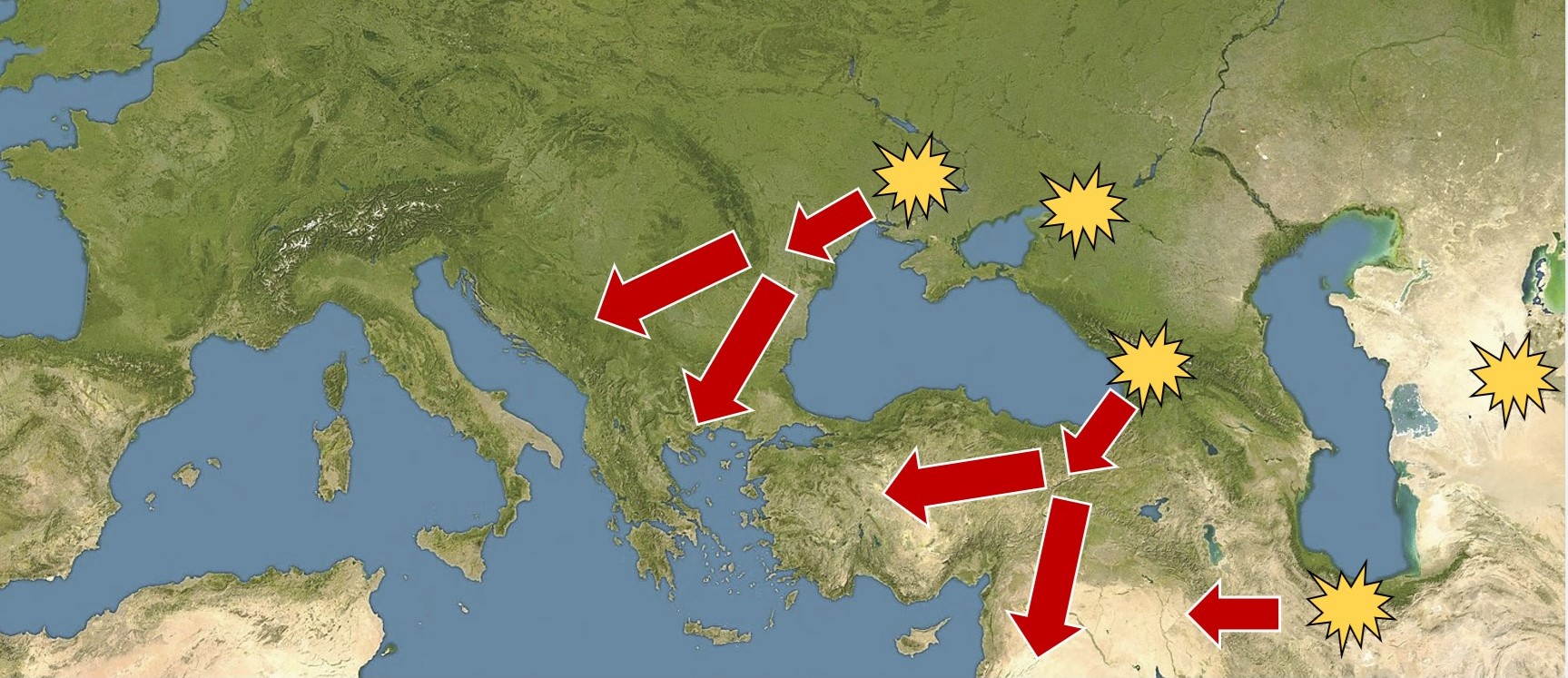
Fig 1: References of Tropilaelaps (yellow) and possible direction of spread (red). Simplified map [19].
Biology and Ecology of Tropilaelaps
The mite is pronounced “Tropıl’ëılaps mers’ıdısäı” The word “Tropilaelaps” refers to the genus of mites, which includes 4 species of Tropilaelaps, and the word “mercedesae” designates the species. T. mercedesae is the most expansive and dangerous species among the 4. In the older literature, T. mercedesae is often confused with the less dangerous Tropilaelaps clareae (pronounced T. Clar‘ëı). In their natural state, the genus Tropilaelaps parasitize the giant honeybees species Apis dorsata, Apis laboriosa and Apis breviligula [7], [8].
The mite is relatively small, with the female measuring approximately 1.0 x 0.5 millimeters. Tropilaelaps spends most of its life within sealed brood, where it produces a large number of offspring. It rarely lives on adult bees, resulting in the rapid development of large populations. Similar to Varroa destructor, T. mercedesae transmits the Deformed Wing Virus (DWV) [4], [5]. Additionally, it carries a symbiotic bacteria that is pathogenic to the bee [6]. Unlike Varroa, Tropilaelaps bites the larvae and pupae at multiple sites, causing significant and immediate damage that often leads to deformities in the final insect and/or death.

Fig 2: Anatomical details of Tropilaelaps. Its anatomy is ordinary in the family of Laelapidae. Its ventral exoskeleton is flexible, allowing the fertilized female to expand upwards.
Tropilealaps has no way to feed on adult bees [20]. Its mouthparts cannot cut or pierce the exoskeleton of the mature bee, which, of course, other mites cannot do either. The mite’s shape and morphology does not allow it to enter in vulnerable areas and gain access to the hemocoel of the bee.
Tropilaelaps mercedesae‘s natural hosts are the wild honeybee Apis dorsata and Apis laboriosa [7], [8]. Apis dorsata nests by drawing a single comb on rocks or the branches of large trees and is a migratory species. This species tends to aggregate, forming clusters of colonies. The mite infects the brood of a colony, and then the adult mites, when leaving the combs, easily invade neighbouring colonies by walking, as Tropilaelaps move quite quickly. The colonies of A. dorsata colonies often swarms, thus getting rid of Tropilaelaps when their populations grow. This bee may have other defense mechanisms. Tropilaelaps is in balance with its natural hosts and does not threaten their species, although its relationship with them remains parasitic and continues to harm them.
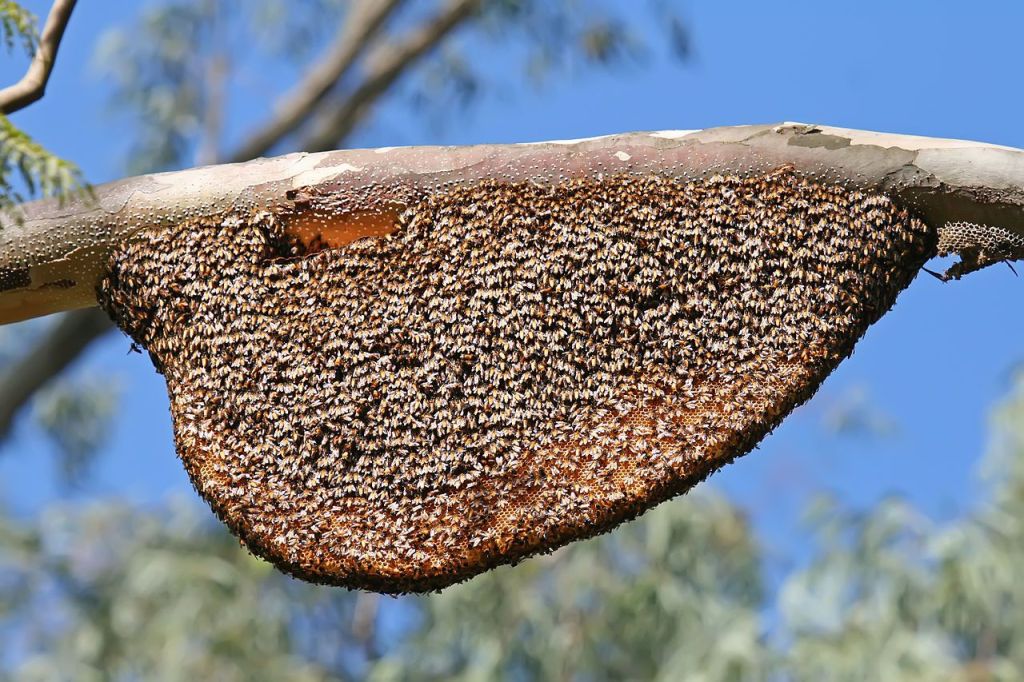
Fig 3: Nest of Apis dorsata (public domain [9])
It should be clarified that 11 species of honeybee (Apis) have been identified worldwide [10], [11], with several being endemic to Southeast Asia. Although these species are related, beekeeping is primarily practiced with the A. mellifera honeybee and less frequently with A. cerana. The other species, while they are hunted for their honey in some countries, are unsuitable for beekeeping.
How and Why Tropilaelaps Escaped
As happened with many other parasites and invasive species, the migration of Tropilaelaps from giant bees to European honey bees was contingent. T. mercedesae species was parasitizing in an environment of heavy colony aggregation. Large tropical trees often have dozens of colonies of this bee. The same environment of aggregation inevitably exists in beekeeping, where a species that does not aggregate its colonies, such as the European honeybee, is forced to live in groups. Thus, the proximity of Southeast Asian beekeepers to the wild species of Apis dorsata provided opportunities for the mite to invade and then expand into their hives. The fact that Tropilaelaps exhibits a generalization towards its hosts enhanced its adaptation (see below).
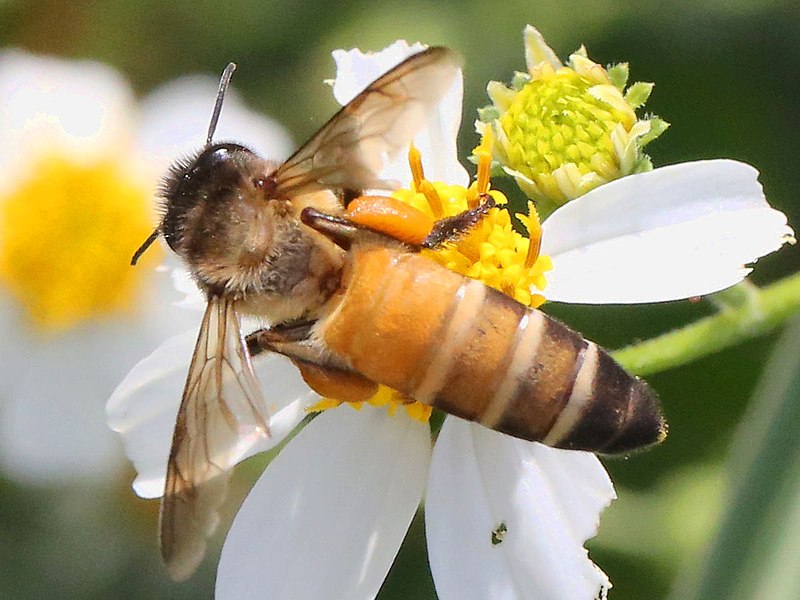
Fig 4: Apis dorsata, Chiang Mai, Thailand (public domain [12])
The hunting of the honey of the colonies of Apis dorsata and Apis laboriosa, a dangerous activity practiced by local villagers and inexplicably gaining approval on social media, may have been another factor in the spread of Tropilaelaps to the managed honeybees.
One striking issue is that the other species of Tropilaelaps, Tropilaelaps clareae (T. clareae), does not threaten beekeeping, even though it has also spread to A. mellifera. This has been attributed to its origin from a honeybee which does not aggregate, Apis breviligula [7].
Regarding beekeeping, the primary means of transport and dispersal for Tropilaelaps is nomadic beekeeping. Secondarily, according to the main sources, it is transmitted in the same ways as Varroa (swarming, drift, robbing) [7], [13]. Since the ability of Tropilaelaps to cling to and use bees as a means of movement (the phenomenon of phoresis) does not seem to be good, I believe that the mite likely disperses from one hive to a neighboring one by walking, similar to ants. This appears to be the most direct way it can move between the concentrated colonies of Apis dorsata.
Adaptability
Tropilaelaps mercedesae differs from the well-known mite Varroa destructor in terms of the adaptability it has shown to new hosts. It now parasitizes most species of the honeybee family (Apis) and it has been reported on the carpenter bee Xylocopa iridipennis in India [14] (without further information). While varroa species show great specialization to the honeybee species they parasitize, Tropilaelaps are less specialized and we could say that they “see” all species of honeybees in the same way. However, Tropilaelaps mercedesae should not be treated as a generalizer, unlike some pollen mites that indiscriminately affect hundreds of bee species.
Its ability to survive during the winter or when there is a lack of brood was what allowed the mite to geographically escape from the tropical zones and first infest honeybee colonies in subtropical regions and recently in temperate zones. Indeed, there is a reasonable assumption that the mite is capable of parasitizing other hosts, such as field rodents, during the dormancy period of bees. In one of the first published descriptions of Tropilaelaps (1961), the mites were collected from rats that had nested inside a beehive. It is also very important that the two claws (Chelicerae) that Tropilaelaps has on its gnathosoma are hook-shaped, thus tearing the skin of the host’s larva. In contrast to Varroa, which has serrated chelicerae and performs cutting and piercing[16]. The morphology of this organ suggests that the ancestors of Tropilaelaps parasitized other hosts and likely did not have a long period of parasitism on giant bees (Apis dorsata, brelivingula, etc.) [8].

Fig 5: The chelicerae (claws) are used to tear the skin of the larva, but possibly also as a means of anchoring to the hair on the thorax of bees [7].
Therefore, the parallel or opportunistic parasitism in a small mammal is quite likely. Another possibility could be, for example, the diapause of female mites. Research on the second possible host of Tropilaelaps, or on how it survives, will be key to combating it in temperate climates.
Geographical Spread
The timeframe for its arrival in Greece cannot be predicted. Given the current speed of spread and the fact that it is presently in Georgia and Ukraine, I can estimate that it will arrive in Greece in 5 to 10 years. One possible route is the areas surrounding the Black Sea heading southward. A second route is through Turkyie due to the increased beekeeping activity. The mite’s dispersal speed will depend on:
- the climate (their mild winters).
- the movements of beekeepers and the sales of queens.
- treatment in areas where it exists. Larger loads entail faster spread to the neighbour countries.
- And finally, from the epidemiological measures of each country (quarantines).
Detection Methods
Detecting Tropilaelaps is challenging because the mite is small, moves very quickly, and is not shiny. A classic method of control is examining the drawer at the base of the hive (or a similar structure) for dead Tropilaelaps mites after applying a substance with acaricidal activity. A recent effective detection method is the use of depilatory strips like Veet on closed brood [17]. Additionally, a sample of bees, when examined under a stereoscope by an experienced handler, can reveal the presence of Tropilaelaps in the colony. Recognition is made based on the wounds and deformities of the bees that have been bitten by Tropilaelaps during their developmental stage.
According to the current monitoring regime in the EU, if a beekeeper detects the mite, they are obliged to report it to the veterinary authorities [18].
Management
In Southeast Asia, the Tropilaelaps is managed with homemade “bulk” formic acid, cheap Chinese-made acaricides, etc. The products and improvised treatments are used in continuous rotation for long periods throughout the year.
The tradition suggests that beekeeping communities and veterinary authorities are unprepared for every newly introduced pest or disease (e.g., Varroa, Tracheal Mite, Nosema cerana, etc.). However, in the case of Tropilaelaps, we can say that we are in a considerably better position, in the sense that there is ample information to start with, as well as a large arsenal of methods derived from Varroa management. Since we are dealing with a mite, the management of Tropilaelaps will include methods that have already been discovered, along with combinations of these methods. In the next article, these methods will be briefly outlined, as well as some measures to limit the epizooty (epidemic).
Our main disadvantage against Tropilaelaps is that it is protected from exposure to substances with acaricidal action because it stays outside the brood only for a very short period (1-2 days). This, however, has led to a misunderstanding that the popular synthetic and biological acaricides used for Varroa (oxalic acid, Amitraz, etc.) are useless against Tropilaelaps. In fact, a well-known researcher who gives lectures on the mite repeatedly emphasizes their ineffectiveness, which fuels panic scenarios within beekeeping communities. The reality is that Tropilaelaps is much more sensitive to the substances in treatments than Varroa, as it has only 1/3 of Varroa’s mass with a thinner exoskeleton (its underside is distensible). Although Tropilaelaps may have shorter contact times with the active substances compared to Varroa (because it is faster), its smaller mass still makes it more sensitive. Thus, ineffectiveness is an epiphenomenon and appears during the phase when Tropilaelaps is at its full population development. At that time, the rate at which we kill them is less than or comparable to the rate of emergence of new productive female individuals. Therefore, it is not surprising that in Southeast Asia, they use the pyrethroids t-fluvalinate and flumethrin as means of controlling Tropilaelaps. However, the consequences of their systematic use are that Tropilaelaps is already resistant to the these two pyrethroids.
George Mitsikas,
12 December 2024
Reposting of the article (reblogging, etc.), reproduction (in full/part), and use – reproduction of the photographs without the author’s permission is not allowed. Sharing the link on social media is permitted.
FOOTNOTES – CITATIONS
I would like to thank the Beekeeper and Farmer Nikos Koutzas for the continuous monitoring of the issues related to Tropilaelaps, as well as for the information he provides me.
- Brandorf, A., Ivoilova, M. M., Yañez, O., Neumann, P., & Soroker, V. (2024). First report of established mite populations, Tropilaelaps mercedesae, in Europe. Journal of Apicultural Research, 1-3.
- Janashia, Irakli & Uzunov, Aleksandar & Chen, Chao & Costa, Cecilia & Cilia, Giovanni. (2024). First Report on Tropilaelaps mercedesae Presence in Georgia: The Mite is Heading Westward!. Journal of Apicultural Science. 10.2478/jas-2024-0010.
- Video from Ukraine reported by Randy Oliver https://www.youtube.com/watch?v=LtNB04jfER4
- Forsgren, E., De Miranda, J. R., Isaksson, M., Wei, S., & Fries, I. (2009). Deformed wing virus associated with Tropilaelaps mercedesae infesting European honey bees (Apis mellifera). Experimental and Applied Acarology, 47, 87-97.
- Dainat, B., Ken, T., Berthoud, H., & Neumann, P. (2009). The ectoparasitic mite Tropilaelaps mercedesae (Acari, Laelapidae) as a vector of honeybee viruses. Insectes sociaux, 56, 40-43.
- Xiaofeng Dong, Stuart D. Armstrong, Dong Xia, Benjamin L. Makepeace, Alistair C. Darby, Tatsuhiko Kadowaki, Draft genome of the honey bee ectoparasitic mite, Tropilaelaps mercedesae, is shaped by the parasitic life history, GigaScience, Volume 6, Issue 3, March 2017, gix008,
- de Guzman, L. I., Williams, G. R., Khongphinitbunjong, K., & Chantawannakul, P. (2017). Ecology, life history, and management of Tropilaelaps mites. Journal of economic entomology, 110(2), 319-332.
- Anderson, D. L., & Roberts, J. M. (2013). Standard methods for Tropilaelaps mites research. Journal of Apicultural Research, 52(4), 1-16.
- Eικόνα public domain Muhammad Mahdi Karim, Wikipedia. https://en.wikipedia.org/wiki/File:Natural_Beehive_and_Honeycombs.jpg
- Raffiudin, R., & Crozier, R. H. (2007). Phylogenetic analysis of honey bee behavioral evolution. Molecular phylogenetics and evolution, 43(2), 543-552.
- Lo, N., Gloag, R. S., Anderson, D. L., and Oldroyd, B. P. (2010). A molecular phylogeny of the genus Apis suggests that the Giant Honey Bee of the Philippines, A. breviligula Maa, and the Plains Honey Bee of southern India, A. indica Fabricius, are valid species. Syst. Entomol. 35, 226–233. doi: 10.1111/j.1365-3113.2009.00504.x
- https://en.wikipedia.org/wiki/Apis_dorsata#/media/File:Bidens-Apis_dorsata-pollen_baskets.jpg
- Rath, W., Delfinado-Baker, M., & Drescher, W. (1991). Observations on the mating behavior, sex ratio, phoresy and dispersal of Tropilaelaps clareae (Acari: Laelapidae). International Journal of Acarology, 17(3), 201–208. https://doi.org/10.1080/01647959108683907
- Abrol, D. P. (1996). Are Xylocopa species new hosts of the parasitic mite Tropilaelaps clareae (Acari: Laelapidae)?.
- Phokasem P, de Guzman LI, Khongphinitbunjong K, Frake AM, Chantawannakul P. Feeding by Tropilaelaps mercedesae on pre- and post-capped brood increases damage to Apis mellifera colonies. Sci Rep. 2019 Sep 10;9(1):13044. doi: 10.1038/s41598-019-49662-4.
- Delfinado, M. D., and E. W. Baker. 1961. Tropilaelaps, a new genus of mite from the Philippines (Laelapidae, Acarina). Fieldiana Zool. 44: 53–56.
- Uzunov, A., Janashia, I., Chen, C., Costa, C., & Kovacic, M. (2024). A scientific note on” Rapid brood decapping”–a method for assessment of honey bee (Apis mellifera) brood infestation with Tropilaelaps mercedesae. bioRxiv, 2024-10.
- Hellenic Ministry of Rural Development & Food: https://www.minagric.gr/images/stories/docs/agrotis/MeliMelissokomia/Tropilaelaps_spp.pdf
- Public domain Image by Welcome to all and thank you for your visit ! ツ from Pixabay
- Although, some alternatives for Tropilaelaps feeding on the bees wing venation, or during trophalaxis have been proposed.
 The Beekeeping Lab


Leave a comment