-
Σιρόπι Ανάκαμψης με Αιθέρια Έλαια
Σε αυτό το άρθρο θα περιγραφεί μία συνταγή για σιρόπι ζάχαρης μαζί με αιθέρια έλαια την οποία χρησιμοποιώ συστηματικά για την ανάκαμψη των μελισσιών. Είναι ένα σχετικά αραιό σιρόπι που περιέχει μικρή ποσότητα γαλακτωματοποιημένου αιθέριου ελαίου. Πρόκειται για μία απλή συνταγή η οποία είναι ικανοποιητική στην πρόληψη κι αντιμετώπιση ασθενειών, όταν συνδυαστεί με χειρισμούς. ΑΡΧΕΣ ΤΗΣ… Read more
-

How varroa mite infects Australia
On June 22, 2022, during a routine biosecurity inspection in New South Wales, Australia, the Varroa mite was detected in sentinel hives at the port of Newcastle. As a result, the government implemented rigorous eradication measures, including quarantine, feral colony poisoning, and the burning of several thousand hives. The NSW Department of Primary Industries (DPI)… Read more
-

Bee Breeding Mechanics
To what extent can a beekeeper influence the so-called genetic material of their bees? In free mating, only few things can be controlled in each generation of queens (due to polyandry, etc.). However, it is believed that with persistence, long-term improvement of honey bees can be achieved. Organized breeding centers know well that there is… Read more
-
Pseudo-Darwinism in Beekeeping
In recent years, some forms of alternative beekeeping have been revitalized, such as treatment free, biodynamic and “natural” beekeeping. These practices exploded in popularity when world-renowned Professor Tom Seeley publicized his experiments in 2017 and introduced the name “Darwinian Beekeeping”. Seeley’s argues that the concept of evolution through natural selection is rarely used in beekeeping. By imitating… Read more
-
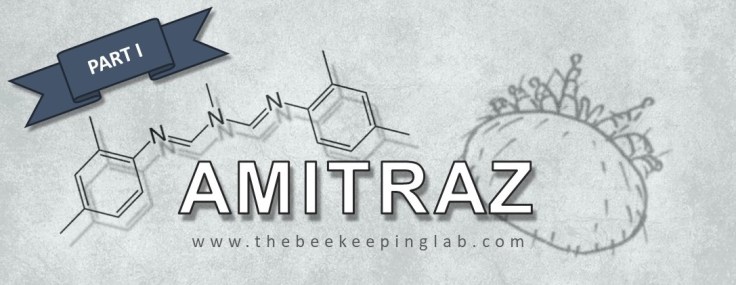
The Amitraz file: Part I -Mode of action
Amitraz is a substance widely used to treat Varroa mite infestations in bees. It is popular because it is effective and has low residues in hive products. The emergence of Varroa mite infestations in recent decades has put beekeeping at risk, and beekeepers have increasingly relied on the use of synthetic acaricides. Varroa quickly developed… Read more
-

Honeybees and Iteroparity
Honey bees stand out from other bee species due to three characteristics. The first is polyandry, that is, the mating of the queen with several drones. The second is genetic diversity, which ensures that the colony expresses no rigid behaviors. The third is something so obvious that it is overlooked: Iteroparity. The colony is a multitude of offsprings,… Read more
All Articles


